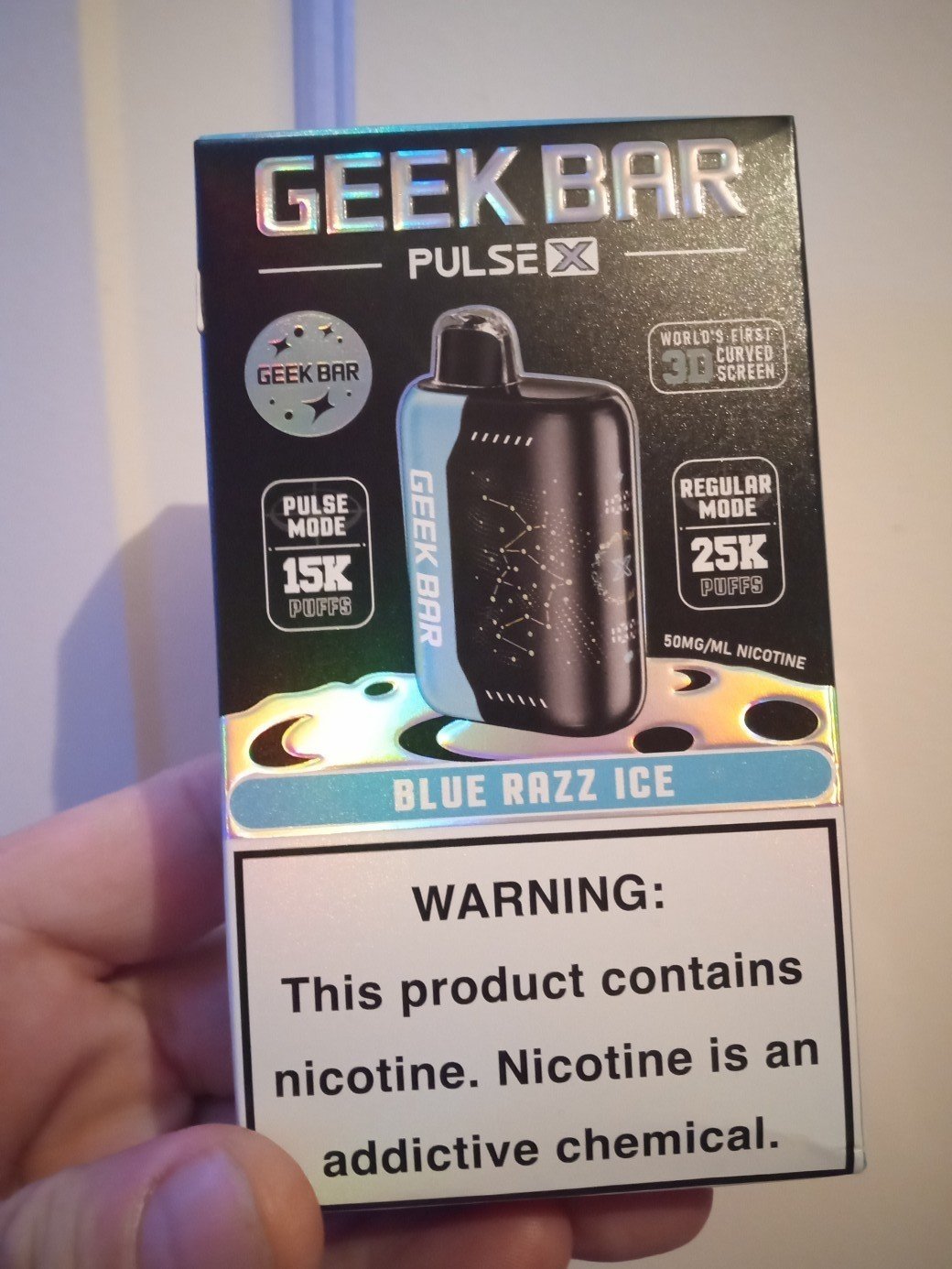
Brand New Disposable Vape Not Working?
Quick answer: most brand new disposables that seem dead are not broken. They are still wearing their packaging, or the battery went flat on a shelf, or the airflow is sealed. Do three things before you decide anything: take every plug, sticker and seal off the device, give it a first charge of 15 to 30 minutes on an ordinary charger if it has a port, and make sure nothing covers the airflow holes at the base. If it still shows no light and no vapor after that, it is not a puzzle to solve. It is dead on arrival, and the fix is an exchange, not a repair.
This guide is only about the brand new case: a device you just bought or just opened. That matters, because the causes and the ending are different from a vape that dies after a week of use. A new device has a short list of likely faults, and it has something a used one does not: a seller who owes you a working product. Work through the checks in order. The order is the whole trick.
Table of Contents
The 2-Minute Out-of-the-Box Check
Four steps, in this order, before any deeper troubleshooting. Skipping step one is the single most common reason a healthy new device gets thrown away or carried back to a shop.
1. Remove Everything
A new disposable ships sealed against air, because air dries the wick and drains the cell. Depending on the shape of the device, look for all of these:
The silicone plug inside the mouthpiece. On bar-style devices it is a small translucent stopper you pull out with a fingernail. If it stays in, you can draw on the device all day and get nothing.
The sticker or tab over the airflow holes at the base. This one is missed constantly, because it is the same color as the device on many models. Run a finger around the base and feel for an edge.
A cap or seal over the mouthpiece on box-style and screen models, and sometimes a film over the screen itself.
On some models, a small seal inside the charging port cover.
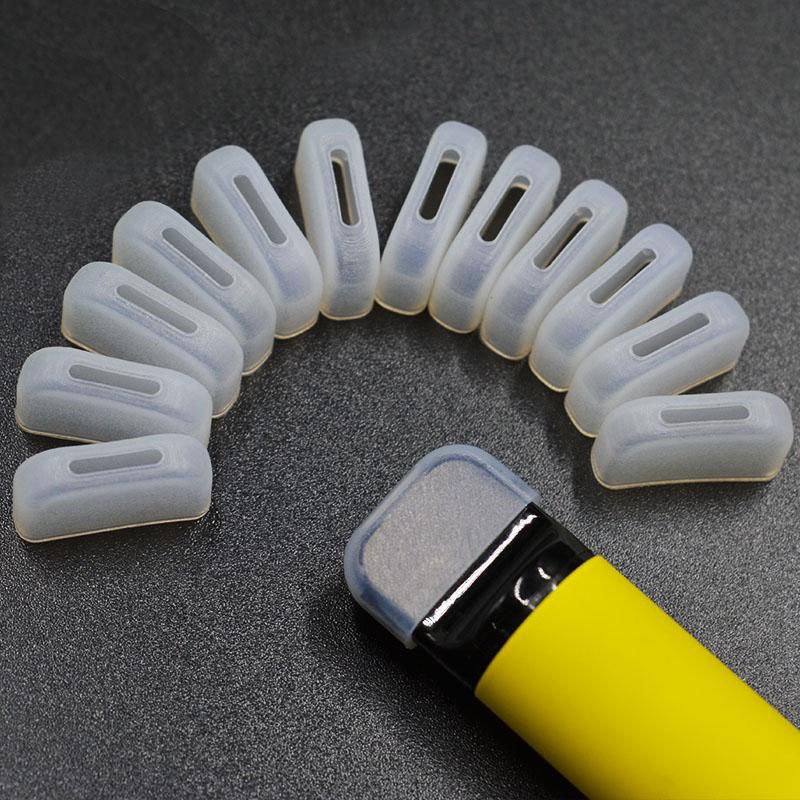
Rule of thumb: if a part looks like packaging, it is packaging, even when it is inside the device. Take it off and keep it until the device proves it works, in case the device has to go back.
2. First Charge, Done Right
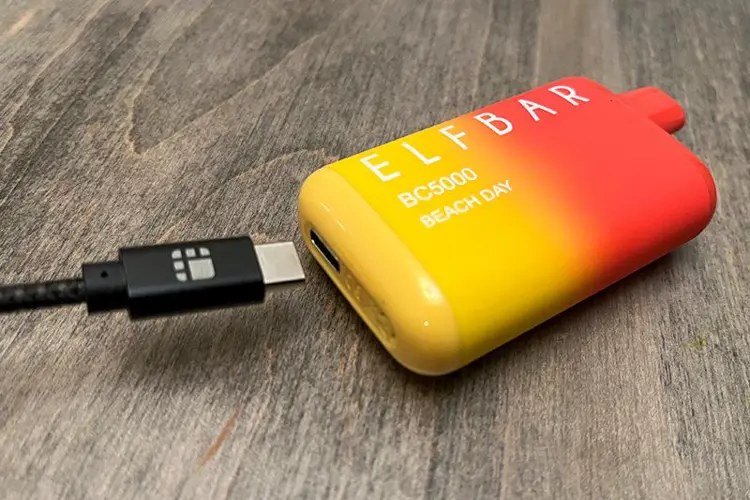
A disposable can sit in a warehouse, a shipping container and a shop shelf for months, and its cell self-discharges the whole time. Arriving flat is normal, not a defect. If your model has a charging port:
Use an ordinary low-power source: a laptop USB port or a basic phone charger. Leave high-watt fast chargers alone; small cells do not want them, and some devices simply refuse to charge properly on them.
Give it 15 to 30 minutes. That is enough to wake most new devices and get a first session out of them. A full charge on a large model takes longer; let the light or the screen tell you when it is done rather than watching a clock. One well-known brand guide advises two full hours for a first charge, which is harmless but rarely necessary before a first test.
Watch what the light does while it charges. A light that breathes, blinks or stays on while plugged in means the cell is taking power. No light at all on the charger is information too, and the decision table below covers it.
If your model has no charging port at all, this step does not exist. A non-rechargeable disposable that arrives dead has no second chance, and everything below about dud testing applies to it directly.
If the device will not take a charge at all, that fault has its own sequence of cable, port and charger tests in our guide to a brand new disposable vape not charging, so run those before you declare it dead.
3. Activate It Correctly
Most disposables have no button and nothing to switch on: you draw, a sensor feels the airflow, and it fires. When a new one seems dead, activation is usually one of these three:
Button models: five fast clicks turns them on and off. A new button device that does nothing has often simply never been turned on.
Screen models with a base switch: several use a sliding switch at the bottom that changes airflow or mode, and pushed fully to one side it can choke the draw or lock the device. Slide it and test again.
Your own grip: on draw-activated devices the sensor needs air moving through the base holes. A fist wrapped around the bottom seals them, and the device stays silent. Hold it by the body, not the base.
4. First Pulls, Done Right
A new coil starts dry. The wick soaks in the reservoir, but the first draws go better if you help it: three or four short, gentle puffs without a deep inhale, then a normal draw. Pulling as hard as you can on a dry, new coil floods it or scorches the wick, and both follow you for the life of the device.
Read the Light on a New Device
On a used device, a light pattern can mean a dozen things. On a brand new one, the list is short, which makes this table the fastest route to a verdict. Find your row, do the fix once, and if the row says dud, believe it.
What the new device does | What it means on a new device | Fix, or dud? |
No light, no vapor, nothing | Flat battery from the shelf, plugs still on, or dead on arrival | Plugs off, then a full first charge. Still nothing means dud: exchange it |
Blinking light when you draw | Battery nearly empty, or the device is in a protection state | Charge it fully once. Blinking on a full charge means a faulty unit |
Light on, air moves, no vapor | Airflow is open but the coil is not heating, or the wick is still dry | Primer puffs and a 10 minute rest. No change means a faulty coil: exchange it |
Screen on, icons showing, no hit | Lock mode, airflow switch closed, or a sensor fault | Check the base switch and lock. If the screen lives but it never fires, it is a dud |
Works, then the light dies mid-draw | Cell is weaker than it looks, or the puff cutoff is kicking in | Full charge and shorter draws. Repeats on a full charge means a weak cell: exchange it |
Gets warm or fires on its own | A genuine fault, not a settings problem | Stop. Do not charge it, do not use it. Take it back as it is |
It Worked for a Few Puffs, Then Died
This is the new-device fault that confuses people most, because the device clearly worked, briefly. Three causes explain almost every case, and two of them fix themselves with patience:
The wick was not saturated yet. The first puffs ran on whatever liquid sat near the coil, then the coil outran the feed and the device cut out or went dry. Stand it upright for 10 to 15 minutes and try again with gentle draws.
The battery was nearly empty out of the box. A shelf-drained cell can hold just enough charge for a handful of hits. A full first charge settles whether that was the whole story.
An air bubble is parked on the wick. Tap the device gently, base down, on a table, and let it sit upright. Bubbles rise, the wick feeds, the hits come back.
The verdict rule: if it dies again in the same way after a full charge and a proper rest, it is not settling in. It is a weak unit, and it goes back while the exchange is still easy.
Burnt or Harsh Taste From the Very First Puff
A new device should taste clean from the first draw. A burnt or harsh first puff means the coil fired while dry, which happens when a device has sat long enough for the wick to dry out in storage, or when the first draw was long and hard. Give it one fair chance: stand it upright for 10 minutes so the wick soaks, then take two or three soft primer puffs. If the burnt taste is still there after that, the wick is scorched, and no amount of careful use will undo it. That device is a return.
If the device hits but the taste is the problem, and you want the full picture of what a burnt coil does over time, see burnt taste from a brand new vape for how the fault develops on a coil that has been in use.
Leaking, Gurgling or Spitting Straight Out of the Box
A new device can arrive flooded. Air pressure changes in shipping push liquid into the airway, and a device stored on its side can weep at the mouthpiece or the base vents. A light case fixes itself: wipe the mouthpiece, blow gently through it into a tissue to clear the airway, and let the device rest upright for an hour. Gurgling that fades as you use it is the same story. But liquid pooled inside the packaging, or a device that keeps leaking after a day upright, is old or faulty stock. Experienced buyers check the inside of the packaging at the counter for exactly this reason, because a leak discovered in the shop gets swapped on the spot, while a leak discovered at home starts an argument.
Screen Models: The Screen Is On but It Won’t Hit
Screen disposables add a layer between you and the coil, and on a new device that layer causes its own faults:
Lock and child lock modes. Many screen models ship with a lock engaged, or lock after a button combination. The screen lights, the icons show, and the device refuses to fire. The unlock is usually a series of clicks or holding the button; the packaging or the brand’s site states the combination for your model.
The airflow or mode switch at the base, covered in the activation step, is the first thing to check when the screen is alive and the draw feels sealed.
Random icons or a blinking screen on a new device usually means the cell is critically low rather than a software fault. One full charge answers it.
A screen that works while the coil never fires, after charge and unlock, is a dead coil circuit in a living shell. Dud. Exchange it.
Brand Notes: Geek Bar, Lost Mary, Elf Bar, Raz
The big four brands behave differently enough out of the box that a few per-brand notes save real time. These cover the current mainstream models; brands revise hardware often, so where your device disagrees with this list, the device and its packaging win.
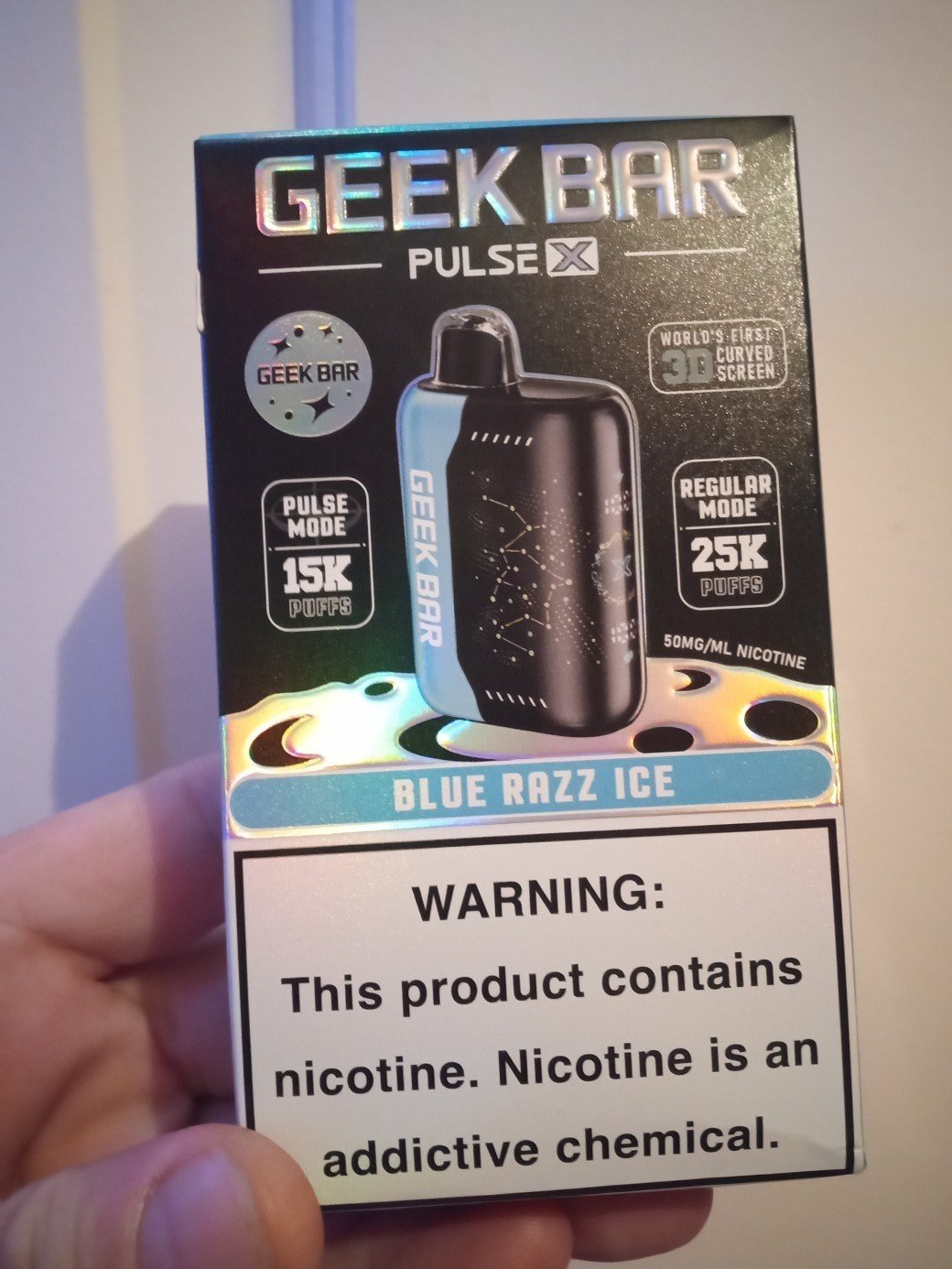
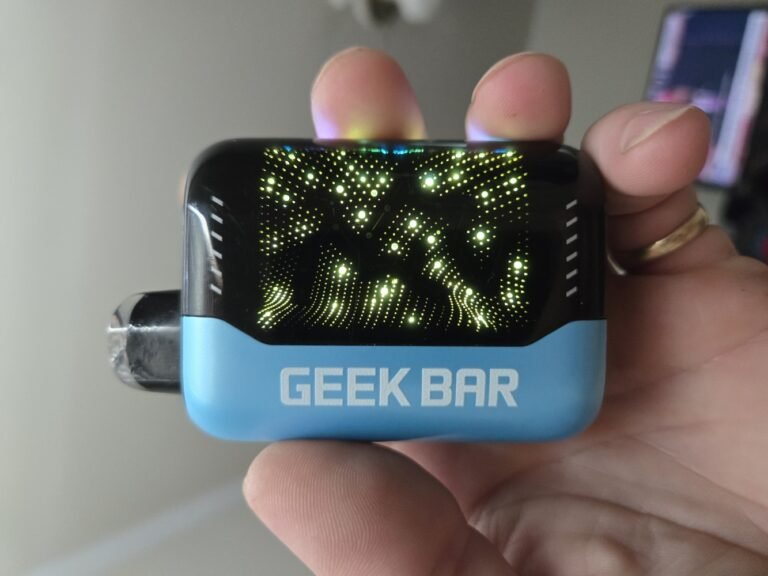
Geek Bar (Pulse, Pulse X)
Draw-activated, no power button on most models. The switch on the bottom is an airflow and mode switch, not an on switch, and pushed fully to one side it restricts the draw hard.
The Pulse X screen shows battery and e-liquid gauges, which makes the dud test fast: full battery icon, juice icon showing liquid, correct switch position, and still no hit means the unit is faulty.
Charging is USB-C. A first charge of about 30 minutes wakes a shelf-drained unit.
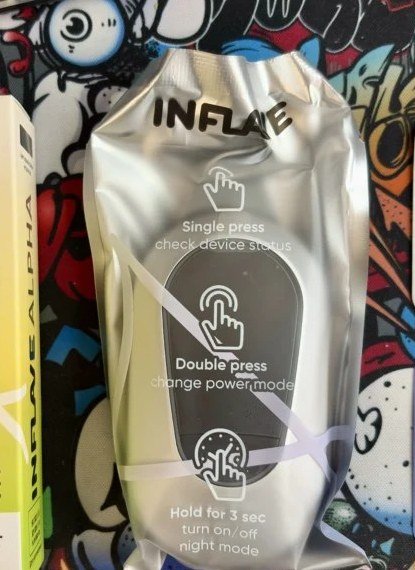
Lost Mary (OS5000, MO5000 and similar)
Draw-activated with an LED indicator near the base or the side. The light is the whole diagnostic system: it should light on the draw and behave on the charger.
Most current Lost Mary disposables are rechargeable. A new one that shows no light and takes no charge after a cable swap is a dud, full stop.
The mouthpiece plug on these is easy to miss because it sits deep. Check it before the first draw, not after a frustrating minute.
Elf Bar (BC5000 and similar)
Draw-activated, with the LED at the base. The BC5000 is rechargeable, and its small cell is the one most often flat out of the box, so the first-charge step matters more here than the brand suggests.
Elf Bar is one of the most counterfeited names in the category, which makes the authentication check in the next section worth the minute it takes on this brand especially.
Raz (TN9000, DC25000 and similar)
Screen models with battery and juice indicators and a boost or mode function on some versions. Read the indicators before troubleshooting: a new Raz showing an empty juice icon is not faulty, it is empty, and that is a seller conversation.
Draw-activated. If the screen wakes on the draw but nothing fires, run the lock and switch checks from the screen section above.
Is It Fake? The Counterfeit Check at Unboxing
Counterfeit disposables are common enough that a one-minute check at unboxing is worth it, and a fake explains a lot of dead-on-arrival devices, because fakes are built with whatever cells were cheapest that week.
Find the authentication code. Most major brands print a scratch-off code or a QR code on the box. Scratch it, and enter or scan it on the brand’s official website, typed in yourself, not through a link printed anywhere suspicious. A code the brand’s own system rejects, or one that reports it has been checked many times before, is a fake.
Read the packaging like a document. Blurry printing, spelling mistakes, washed out colors and a missing batch or manufacturing code are the tells. Real packaging is boringly perfect.
Weigh the device in your hand against the real thing if you have owned one. Fakes often feel lighter and their mouthpieces and seams fit worse.
If it is fake, do not use it, and do not troubleshoot it. Take it back to the seller as a counterfeit, which is a different and stronger conversation than a faulty device, and report it through the brand’s site if they offer that option.
The Dud Test: Dead on Arrival, Proven
Dead on arrival has a simple definition, and it is worth being strict about it, because a strict test is what makes the exchange conversation short. A new disposable is a dud when all three of these are true:
Every plug, sticker and seal is off, and the airflow holes are uncovered.
It has had a full first charge on an ordinary charger (or it is a non-rechargeable model, where this step does not exist).
It is activated correctly for its type, and it still shows no light, no vapor, or a screen that lives while the coil never fires.
All three true means stop. There is no step four hidden somewhere, and opening the device to look for one voids whatever goodwill the seller owes you. One exception that skips the test entirely: a device that fires on its own, or gets warm sitting unused, is not a dud to test but a fault to hand back, uncharged and unused.
Returns and Exchanges: The Practical Playbook
Nicotine products sit in an awkward corner of retail: many shops treat them as final sale. But a device that never worked is not a change of mind, it is a defective product, and in practice most reputable shops exchange dead-on-arrival units when the return is fast and provable. The difference between an easy exchange and an argument is almost entirely in how you show up.
Go back fast. The same day is best, within a few days at most. A DOA claim made two weeks later invites the fair question of what happened in between.
Take everything: the device, the box with its batch and authentication codes, and the receipt. The box is not rubbish yet; it is the paperwork.
Prove the fault before you go. A ten-second phone video of the device doing nothing on a draw, and one of it sitting dead on a charger, ends most debates before they start. Shops see genuine duds every week; documentation marks you as one of the genuine ones.
Ask for an exchange first, not a refund. Shops swap like for like far more easily than they hand money back, and an exchange is what you actually want.
Seller first, brand second. The shop that took your money is the fastest route. If they refuse, the brand is next: some brands and larger retailers run defect warranties (60 days is one advertised figure), and the authentication code on your box is usually what the claim needs.
Bought online: the same playbook applies by message instead of at a counter. Send the video, the batch code and the order number in the first message, and do it the day the fault shows, because online return windows run from delivery, not from when you get around to it.
What NOT to Do With a New Device
Do not charge it on a high-watt fast charger, and do not leave a first charge running overnight. Small cells, gentle power, and someone awake nearby.
Do not pry the mouthpiece or the shell open to look inside. Whatever you find, you will own it: a opened device is a device the shop no longer has to exchange.
Do not try to force it to fire with harder and harder draws. On a dry new coil that scorches the wick; on a sealed airway it just hurts.
Do not shake or squeeze a device hard to move liquid around. A gentle tap moves a bubble; violence moves seals.
Do not warm it with a flame, a stove or a lighter, ever. Hands and room temperature are the whole toolkit.
And if the fault turns out not to be a new-device fault at all, but the ordinary kind that shows up a week in, the full diagnosis lives in our hub guide: why is my vape not hitting.
Before You Buy the Next One
Buy sealed, from a seller you can walk back into. The exchange playbook above only exists if the seller does.
Check the seal and the batch code at the counter, and look inside the outer packaging for leaked liquid before you leave. Thirty seconds in the shop saves the whole returns process.
Where a shop lets you test a device before leaving, test it. A dud discovered at the counter is swapped without a word.
Check any manufacturing or expiry date printed on the box. Old stock is the root cause behind most flat batteries and dried wicks in this guide.
Store the spare upright, at room temperature, out of a hot car. New devices die in storage more often than they die in use.
Frequently Asked Questions
Why is my vape not working and I just bought it?
The honest ranking, from years of watching these come back over counters: packaging still on it, a battery drained flat on the shelf, a sealed airflow path, and only then a genuinely faulty unit. The 2-minute check at the top of this guide clears the first three. What survives it is a dud, and duds go back.
How do I activate a new vape?
Most disposables need no activation at all: remove the plugs and draw. Button models want five fast clicks. Screen models may have a lock or a base switch. If a device needs something more exotic than that, it is printed on its packaging.
Why is nothing coming out of my brand new vape?
Either air is not moving (a plug, a sticker, or a sealed draw) or the coil is not heating (a flat cell, a dry wick, or a faulty coil). The light separates them: no light points at power, light with an easy draw points at the coil, and a tight draw points at the air path.
Why is my brand new vape not hitting, no light?
No light on a new device means no power is reaching the circuit: a shelf-drained battery, a missed sticker sealing the sensor’s air path, or a dead unit. Plugs off, full first charge, one more test. Still dark means dead on arrival, and the fix is the exchange, not another hour of charging.
How long should I charge a new disposable vape the first time?
Fifteen to thirty minutes on an ordinary charger is enough to wake most new devices and test them honestly. A full charge takes longer on big models; go by the light or the screen rather than a fixed time, and never leave a first charge running unattended overnight.
It worked for a few puffs then stopped. Why?
Usually the wick or the battery, both running on whatever the device arrived with. The wick had not saturated, or the cell had only a few hits of charge left in it after months in storage. Rest it upright, charge it fully, and test again. Dying the same way twice means a weak unit.
Can I return a disposable vape that does not work?
In practice, yes, when it never worked and you go back quickly with the box and the receipt. Policies vary by shop and by state, and many shops call nicotine sales final, but dead on arrival is a defect, not a change of mind, and reputable sellers exchange defects. A short video of the fault makes the conversation considerably shorter.
How can I tell if my new disposable vape is fake?
Run the scratch or QR authentication code on the brand’s official website and read what it says. Then look at the box: sharp printing, correct spelling, a batch code. Fakes fail at least one of those, and they fail the device test more often than real ones, because the cells inside them are the cheapest available.
Is it normal for the first few hits to taste different?
Slightly, yes. The first draws on a fresh coil can taste muted or a little sharp while the wick finishes saturating, and the flavor settles within the first several puffs. What is not normal is a burnt taste, or a plastic taste that gets stronger instead of fading. Both of those are faults, and the second one means stop and take it back.
One Comment