Why Is My Vape Not Hitting?
Quick answer: if your vape is not hitting, the cause is almost always one of five things: a dead or locked battery, a clogged mouthpiece, a dirty or loose connection, an empty pod or disposable, or a burnt-out coil. Do not start taking anything apart. Look at the light when you draw, because it already tells you which of the five you have. Blinking means battery or protection. A steady light with no vapor means the coil is not heating or not getting power. No light at all means no power is flowing. The table below turns that into the right fix in under a minute.
This guide is ordered the way an experienced hand actually troubleshoots: read the light, read the symptom, then go to the fix for your device type. Work through it in order. The steps run from the most common and cheapest cause to the least common, so most readers will be done in the first two sections.
Table of Contents
The 60-Second Diagnosis
Before any tools come out, answer three questions: does the light come on, is air moving through the device, and does the hit taste burnt? Those three answers place you in one row of this table, and each row points at the section that fixes it.
What you see | What it usually means | Go to |
Light blinks when you draw | Battery is low, or a protection circuit has cut in | Blink codes table below, then a full charge |
Light stays on, air moves, no vapor | The coil is not heating: dead coil, flooded coil, or a broken connection | It Has Airflow but No Vapor, below |
Light on, but the draw is tight or sealed | Clogged mouthpiece or blocked airflow path | The clog fix under your device type below |
No light at all | No power: dead battery, locked device, or a failed unit | Charge 30 minutes; on a button model, 5 clicks to unlock |
Works, then stops mid-hit | Puff cutoff, overheating, or a battery that sags under load | Why a Vape Stops Mid-Hit, below |
Hits, but tastes burnt or tastes like nothing | Coil is burnt out, or the liquid is gone | Check the liquid level; a burnt coil is replaced, not cleaned |
Blink Codes and Light Patterns, Decoded
On a pen or a disposable, the light is the only diagnostic tool the device gives you, so learn to read it before anything else. One warning from experience: blink codes are not standardised across brands. The table below gives the meanings that hold on most devices. If your device has a screen, trust the screen instead, because it names the fault in words. And when a brand publishes its own code list, the brand wins.
Light pattern | Usually means | First fix |
Blinks 3 times and stops | The battery cannot see the coil: loose, dirty, or missing connection | Reseat the pod or cartridge; clean the contacts |
Blinks 5 times | You hit the puff time limit, 8 to 10 seconds on most devices | Nothing is broken; take shorter draws |
Blinks 10 times, or one long blink | Battery is empty | Full charge on an ordinary low-power USB source |
Steady red light | Battery low, or still charging | Charge it; if it stays red after a full charge, the cell is worn out |
White light, fires, then nothing | Connection fault on many pod systems | Clean the contacts, reseat, then try a second pod |
No light, no click, nothing | Dead battery, locked device, or a failed unit | Charge 30 minutes; 5-click unlock on button models; still dead means it is done |
If your device has a screen, these are the messages that matter:
Check Atomizer or No Atomizer: the device cannot find the coil. Reseat it, clean the 510 pin and the coil base, then try a different coil.
Atomizer Short: there is a short in the coil. Replace the coil. Do not keep firing a shorted coil to see if it clears.
Ohms Too High or Ohms Too Low: the coil resistance is outside the range the device accepts, which usually means the wrong coil or a damaged one.
Fix It by Device Type
The five causes are the same on every device. The order you check them in is not. Find your device type and work down its list.
Disposable Vape Not Hitting
Pull the plugs. A brand new disposable ships with a silicone plug in the mouthpiece and often a sticker over the airflow holes at the base. Both are still in place far more often than any real fault is.
Charge it, even if it is new. These cells self-discharge while the device sits in a warehouse and in transit. Give it 30 minutes on an ordinary phone charger or a laptop USB port, not a high-watt fast charger.
Clear the mouthpiece. Condensation, pocket lint, and thickened liquid seal the airway on disposables more than anything else. Work a straightened paperclip or a toothpick in gently, two or three millimetres, and never ram it down into the coil.
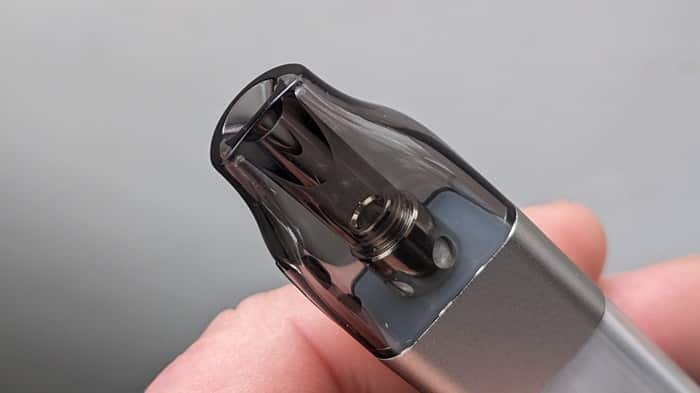
Blow through the charging end. With the airway open, take the device off your mouth and blow a short, firm puff into the base, where the charging port and airflow holes sit. On a draw-activated disposable that lights up but produces nothing, this is the single fix owners confirm most often, because it pushes a soft clog out through the mouthpiece and frees the sensor.
Warm it in your hands. Cold liquid thickens and stops feeding the coil. Two or three minutes cupped in your hands, or standing upright somewhere warm, is enough. Heat from anything hotter than your hands belongs in the What NOT to Do section below.
Prime it, then draw gently. Three or four short, soft puffs without a full inhale pull liquid onto the coil and wake the draw sensor. Then check your grip: on many disposables the airflow holes are at the base, and a tight fist seals them, so the sensor never fires at all.
If a disposable still does nothing after a full charge and a clear airway, skip ahead to Dead, Empty, or Just Clogged, because the remaining causes are not fixable on a sealed unit.
Pod System Not Hitting
Reseat the pod. Take it out, look at its base, and wipe off any film of liquid. Put it back until it clicks, or until the magnets pull it home with a snap. A pod sitting a millimetre high is a pod that is not connected.
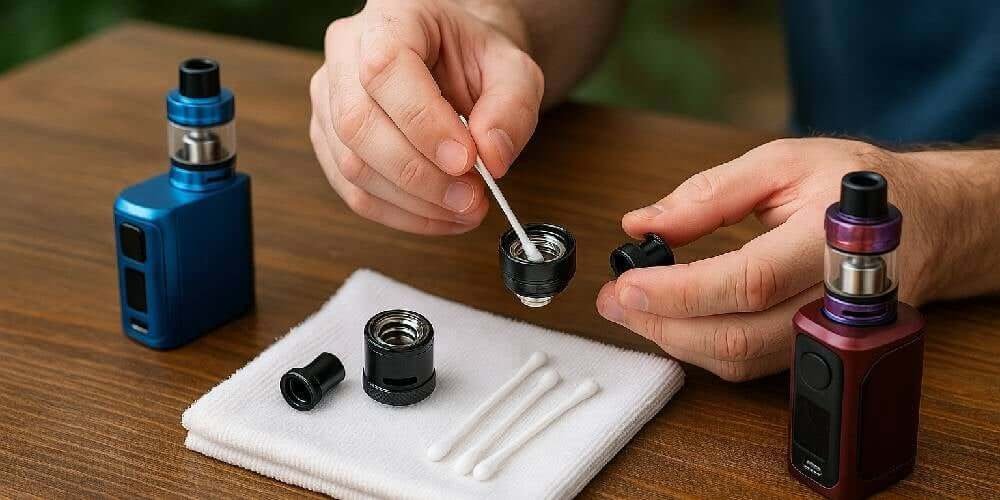
Clean the contacts. This is the fix that brings most pod systems back. Work a dry cotton swab over the metal contacts on the pod and the pins inside the device. If there is sticky or green residue, use a swab barely damp with rubbing alcohol, then let everything dry for a full minute before you test it.
Check the liquid against the coil holes. Look at the pod from the side: if the liquid sits below the wick holes in the coil, the coil is dry no matter how full the pod looks from the top. Refill, then wait five minutes before the first draw.
Clear a flooded coil. If it gurgles when you draw, the coil has more liquid than it can vaporise. Take the pod out, blow through it into a tissue, and flick it mouthpiece-down a few times to throw the excess out.
Swap in a spare pod. This is the fastest honest diagnostic in vaping. If the spare pod works, the old pod or its coil is finished. If the spare also fails, the device itself is the problem, and no amount of pod swapping will change that.
Vape Pen or 510 Cartridge Not Hitting
Finger-tight, never cranked. Screwing a cartridge down hard pushes the battery’s centre pin down and can break the very connection you are trying to make. Snug is enough.
Clean the threads and the pin. A swab with rubbing alcohol on the cartridge base and around the battery pin. Oil film is an insulator, and it builds up exactly where the current has to pass.
Raise a sunken pin. If the centre pin sits flush with or below the threads, the cartridge physically cannot touch it. With the battery off, ease the pin up a fraction by working the edge of a paperclip under its rim. A fraction, not a yank. This one adjustment revives pens that look completely dead.
Use preheat if you have it. Two clicks on most pens runs a low-voltage warm-up that thins thick oil and clears a light clog without scorching anything.
Set the voltage for the cartridge, not for clouds. Most cartridges run best around 3.3 to 3.8 volts. Maximum voltage burns oil, floods or chars the wick, and shortens the life of everything it touches.
Tap out the bubble. An air bubble parked on the wick starves the coil while the tank still looks full. Stand the cartridge upright for ten minutes, or tap it gently, base down, on a table.
It Has Airflow but No Vapor
This is the version of the problem that fills comment sections: you can pull air through the device, the light comes on, and nothing comes out. That combination rules out a clog and points straight at the coil circuit. Work through these four.
The coil has died open. Coils fail two ways. A shorted coil makes the device complain. An open coil makes the device fire happily and heat nothing at all. There is no repair for it: replace the coil or pod, and on a disposable the device is finished.
The coil is flooded. Too much liquid drowns it. Flooding usually announces itself first with gurgling or spitting, then the vapor dies. Blow the pod or cartridge out into a tissue and let it rest upright before you judge it dead.
The liquid dropped below the intake holes. A tank or pod can look a quarter full while the wick ports are already exposed to air. Refill if you can. On a disposable, roll it gently to wet the wick, then wait five minutes.
Airlock after lying flat. A pod left on its side overnight can vapor-lock, so liquid never reaches the coil. Stand it upright for ten minutes. If the pod is soft, one gentle squeeze helps push liquid through.
The battery lights the LED but cannot run the coil. Lights cost almost nothing to power; coils cost real current. A worn battery will glow, blink, and still fail under load. The charge test in the next section separates this from a coil fault.
Charged to 100% but Still Not Hitting
A full reading is not the same as a healthy battery. The percentage on a screen is the device’s estimate, and on an ageing cell it can be an optimistic one. If your vape shows 100% and still will not hit, run these checks before you blame the coil.
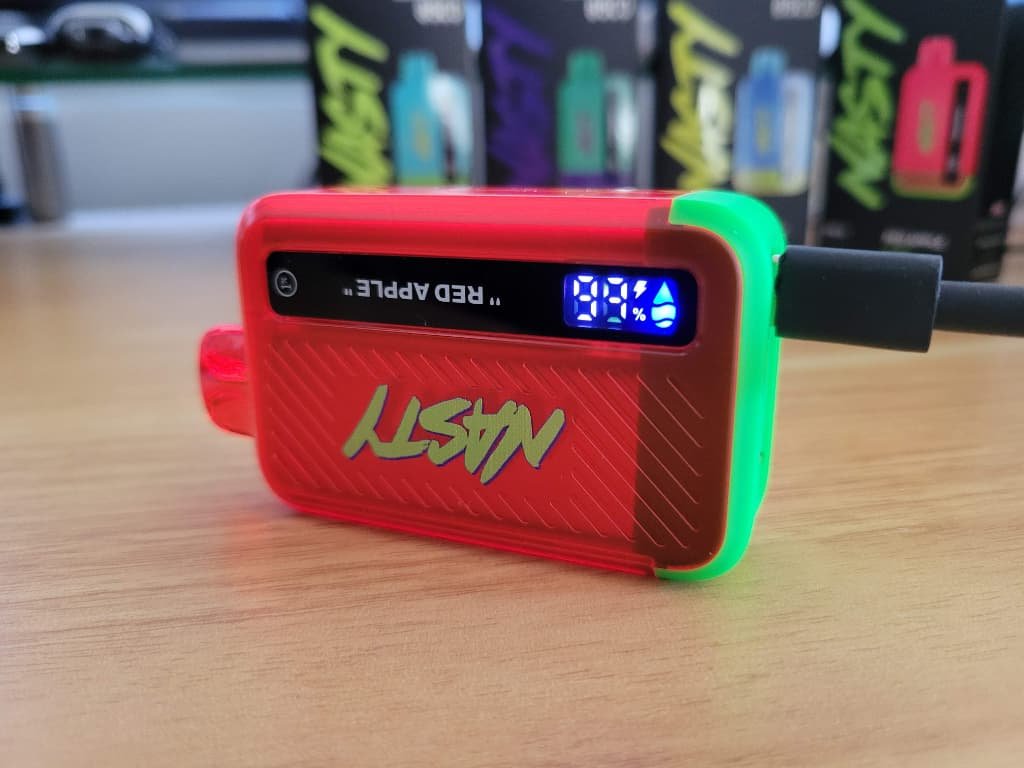
Swap the cable and the power source first. Cables fail more often than devices do. And if the device claimed to be full after ten minutes on the charger, be suspicious: cells do not charge that fast, so it probably never charged at all.
Clean the charging port. Pocket lint packs hard into USB ports and holds the plug a hair out of full contact. Power off, then tease it out with a wooden toothpick, gently.
Check it is not locked. Five fast clicks on button models locks and unlocks them. Some screen models lock the fire function while the screen still lights up and looks perfectly alive.
Clean the business contacts, not just the port. Charging proves the port works; it says nothing about the pod or cartridge connection, which is where the power actually has to go. The swab routine from the pod section applies here.
Accept the battery verdict when it comes. A cell that shows 100%, lights up, and then refuses or dies under load is worn out. On a disposable or a sealed pod device there is no battery to swap, so the device itself is at the end of its life.
If the problem runs the other way and the device will not take a charge at all, that is its own fault tree, covered step by step in our guide to a disposable vape not charging.
Brand New Vape Not Hitting
A dead-on-arrival disposable is uncommon, but it is not rare, and most devices that look broken out of the box are not broken at all. Before you conclude anything, work through this short list.
Plugs and seals first. Mouthpiece plug, base sticker over the airflow holes, and on some models a seal inside the mouthpiece. Miss one and the device cannot breathe, however healthy it is.
Charge before you judge it. Months in a warehouse self-discharge the cell, so a new device can arrive effectively empty. Thirty minutes on a charger comes before any verdict.
The factory fault almost nobody mentions: inside some disposables, the silicone plug that seals the mouthpiece assembly is inserted kinked during production, and it blocks the air path completely. If the mouthpiece on your model lifts off with light pressure, reseat that plug straight and the device usually works. If the unit is sealed, do not pry it open. A kinked plug in a sealed device is a return, not a repair.
Know when to stop. No light after a full charge, or a burnt taste from the very first puff, means exchange it. Keep the packaging until the first day is over: shops swap dead-on-arrival units far more easily with the box and receipt in hand.
The full first-hour checklist, from unboxing checks to the dud test, is in our guide to a brand new disposable vape not working.
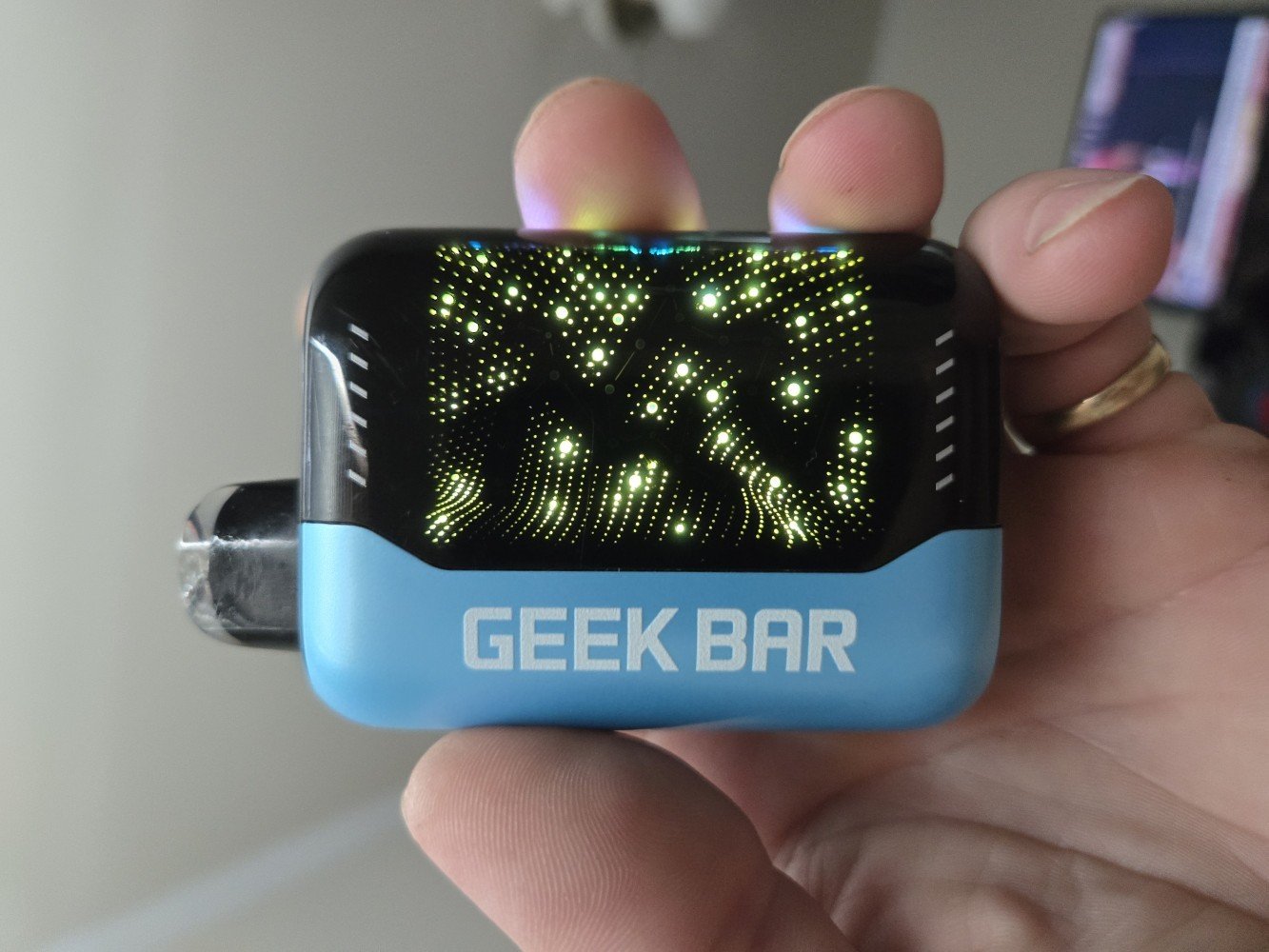
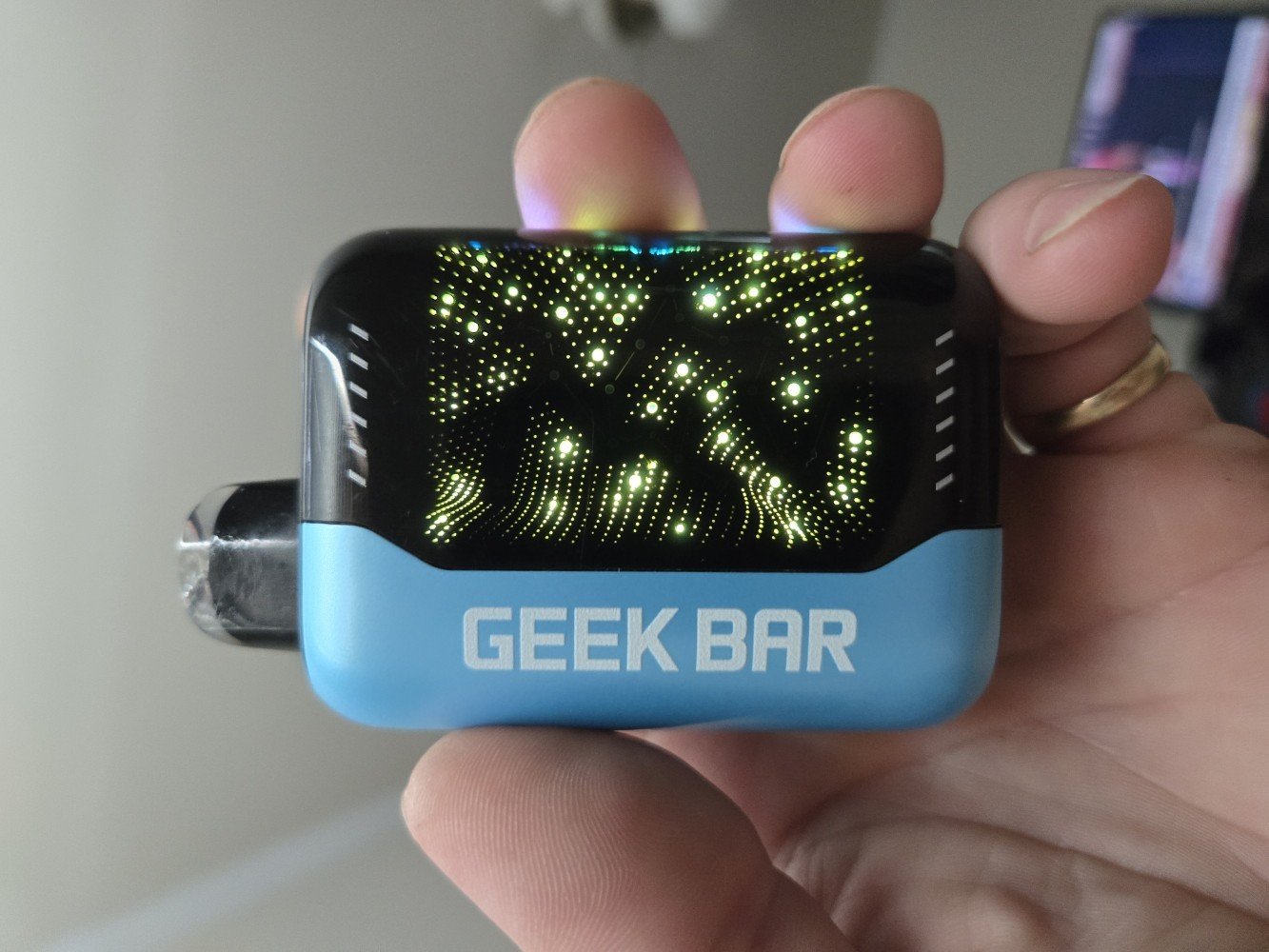
Geek Bar Not Hitting
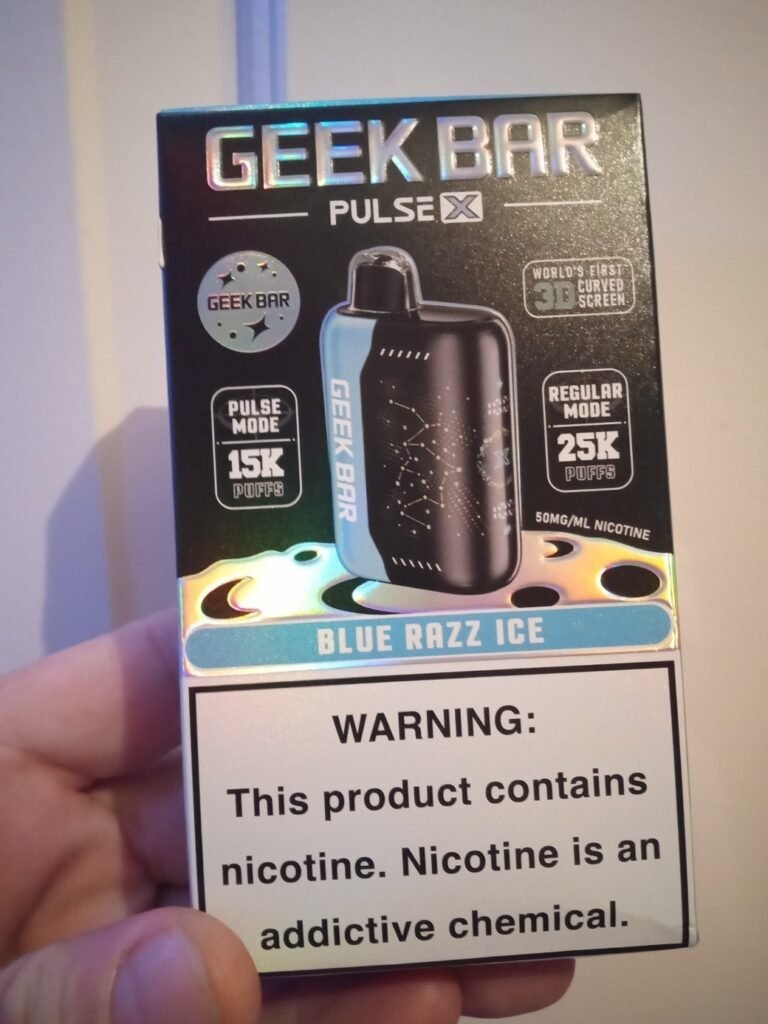
Geek Bar gets its own section because the Pulse and Pulse X behave differently from a plain disposable, and because a lot of owners search for this fault by the brand name. If yours is a Geek Bar that is charged but not hitting, start here.
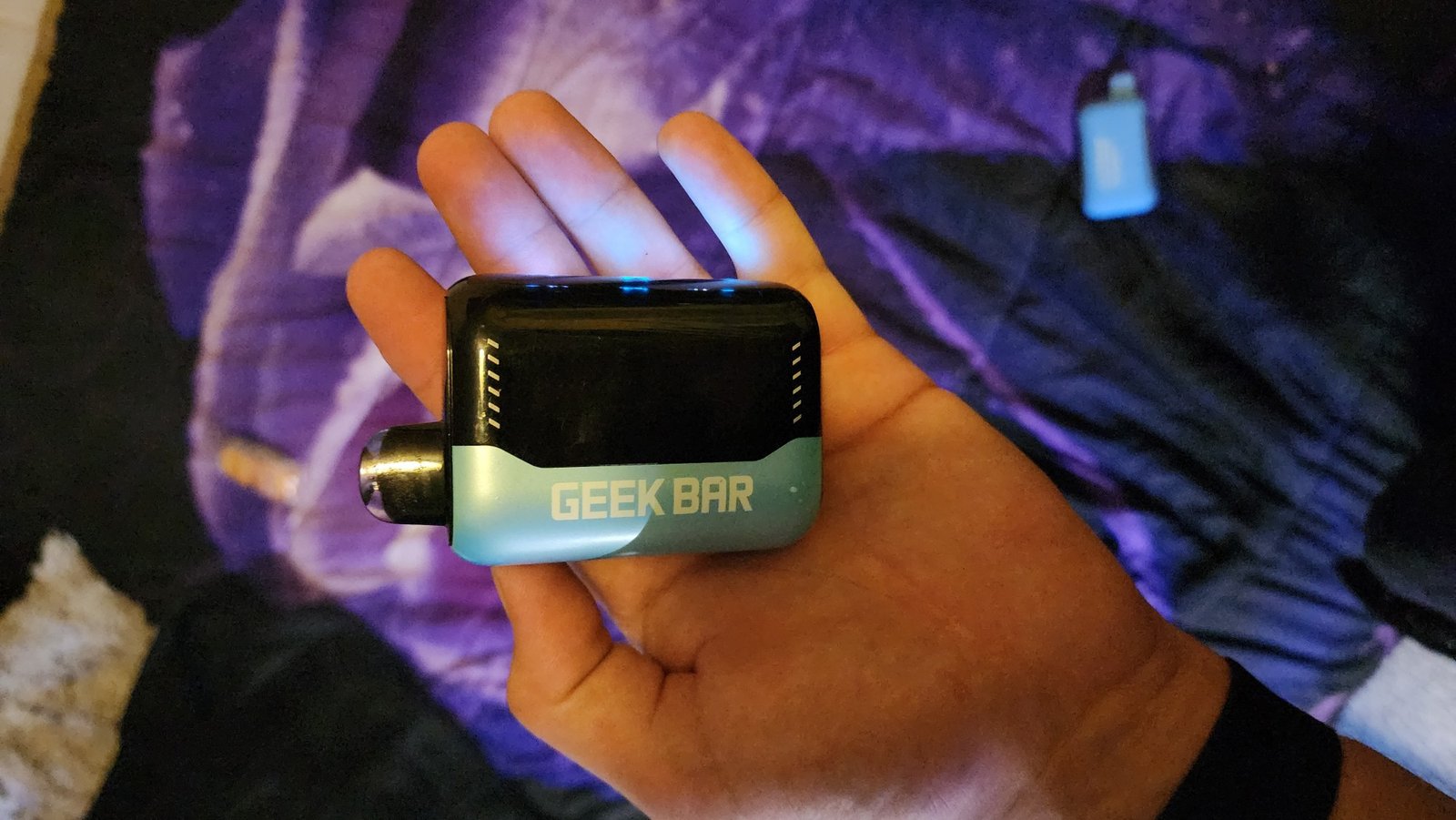
Check the base switch first. The Pulse has a switch on the bottom that changes the airflow between Regular and Pulse mode, and pushed fully to one side it chokes the draw down hard. If the device feels sealed when you pull, slide the switch before you try anything else.
Read the screen before you touch anything. The Pulse X shows battery and e-liquid gauges. A low battery icon means charge it, about 30 minutes on USB-C. An empty juice icon with a thin or burnt taste means the device is finished, whatever the light is doing.
Clear the mouthpiece. The dual mesh coil in these models draws hard, and condensation builds up fast. Same routine as any disposable: paperclip in gently, then blow through the base.
Understand the charged-but-dead case. On a Geek Bar the battery is rechargeable and the coil is not. So a unit can show charge, light up, and still be finished because the coil or the liquid ended first. If the flavor has gone thin with a burnt edge to it, that is the coil, and charging will not bring it back.
A blinking base light with no screen response after a full charge is protection or a failed unit. Try one cable swap, because cables lie. After that, treat the device as done.
Why a Vape Stops Mid-Hit
The puff cutoff. Almost every modern device cuts power at 8 to 10 seconds of continuous draw to protect the coil. If your hits end at the same count every time, that is the device working as designed, not failing.
Overheat protection. Chain hitting stacks heat faster than the device can shed it, and many models then ignore you for a few minutes while they cool. Put it down for five minutes and try again before you troubleshoot anything else.
A wick that cannot keep up. Long, hard draws outrun the liquid feed, the coil runs dry, and the hit dies or turns harsh. Shorter, gentler draws, with 20 to 30 seconds between them, fix most cases. And if the taste has already turned, read why your vape tastes burnt before the coil is gone for good.
What NOT to Do
No open flame, no stove, no lighter to warm a device or its liquid. A hair dryer on its lowest setting, held at a distance, is the hottest tool that is ever acceptable here.
Do not pry open a sealed disposable. The cell inside can short and vent if it is punctured, bent, or torn loose from its contacts.
Do not keep using a battery that is swollen, dented, leaking, or warm at rest. That has stopped being a troubleshooting problem.
The official guidance says the same thing in shorter form. The FDA’s tips to help avoid vape battery explosions cover the same core rules: use devices with safety features, keep loose batteries in a case, never charge overnight, and replace a battery that gets wet or damaged.
Do not pour water into a mouthpiece or rinse a sealed device. Water and a lithium cell do not belong together, and it will not clear the clog anyway.
Do not keep firing a coil that tastes burnt, hoping it clears. It never clears. It gets worse, and it takes the rest of the liquid with it.
Dead, Empty, or Just Clogged?
Three tests, ten seconds each, and you will know which ending you are looking at.
The draw test. A tight or sealed draw means a clog. An easy draw with no vapor means a coil or power fault.
The taste test. Burnt means the coil is gone or dry. Clean but weak and thin means the liquid is nearly finished. Normal flavor with low vapor means power or connection.
The light test. No light after a full charge means a dead device. Blinking as soon as you draw means a finished battery.
If a disposable fails the light test after a proper charge, the honest answer on a sealed unit is replacement. For what you should have got out of it first, see how long a disposable vape should last, which also covers the models that genuinely outlast the rest.
Keep It From Happening Again
Store it upright, at room temperature. Heat thins liquid until it leaks and floods; cold thickens it until it clogs. A hot car ruins more vapes than pockets do.
Keep the battery in the middle. Top up before it is fully flat, and do not leave devices sitting on a charger overnight.
Snug, not tight, on anything that screws together. Overtightening causes the pin faults, the cracked seals, and half the connection problems in this guide.
Prime every new coil or pod. Fill it, wait five to ten minutes, then start with gentle puffs. A dry first hit burns a wick in seconds, and that taste never fully leaves.
Make contacts a weekly habit. One dry swab, ten seconds, and the most common fault in this entire guide never gets the chance to show up.
Frequently Asked Questions
How to fix a vape that doesn’t hit?
Start with the light, not with tools. Blinking means charge it and check the blink code. A steady light with airflow but no vapor means the coil or its connection. A tight draw means a clog. Those three observations cover nearly every case, and the diagnosis table at the top of this guide walks you through each one.
Why is nothing coming out when I hit my vape?
Either air is not moving, which is a clog in the mouthpiece or airflow path, or air moves but the coil is not heating, which is a dead coil, a dirty connection, or an empty device. The draw test separates the two in seconds: tight means clog, easy means coil or power.
Why is my vape at 100% but not hitting?
Because the percentage is an estimate, not a promise. The real cause is usually a failed charging cable that never filled the cell, lint holding the plug off the contacts, a locked device, dirty pod contacts, or a worn battery that shows full and still cannot deliver power under load.
Why is my vape not hitting but has airflow?
Airflow without vapor means the air path is fine and the heating is not. The usual causes are a coil that has failed open, a flooded coil, liquid that has dropped below the coil’s intake holes, an airlock after the device lay flat, or a battery too worn to run the coil even though it lights the LED.
Why is my disposable vape charging but not hitting?
Charging only proves the port and the cell accept power. The fault sits downstream of that: a clogged mouthpiece, a film on the contacts, a locked or protected circuit, or a coil that has finished while the rechargeable battery still has life. Clear the airway and clean what you can reach before you write the device off.
Why does my vape blink 3 times, or 10 times?
On most devices, three blinks mean the battery cannot see the coil, so check the connection and clean the contacts. Ten blinks, or one long blink, mean the battery is empty. Codes are not standardised across brands, so if your model has a screen or a manual, let those overrule any general table, including the one in this guide.
Why is my vape suddenly tasteless?
Flavor fades when the wick starts running dry or the coil builds up a coating of cooked liquid. Fresh liquid and a rest can recover a mild case. Once the taste turns burnt rather than merely weak, the wick itself is scorched, and only a new coil, pod, or device fixes it.
Can a disposable be finished if it still lights up?
Yes, and on rechargeable models it is the normal ending. The light runs off the battery, while the hit depends on the coil and the liquid. Either of those can finish first, leaving a device that lights up brightly and produces nothing at all.
4 Comments