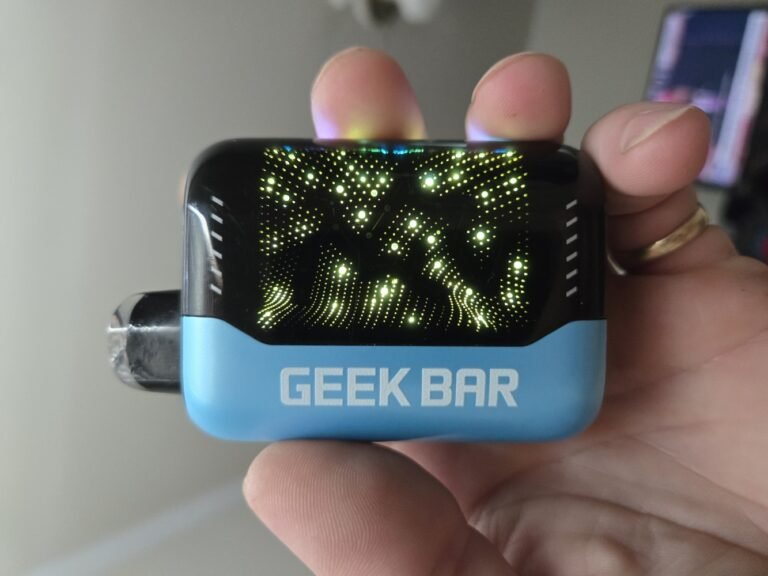
Is a Leaking Vape Dangerous? What to Do, by Where It Leaks
Short answer: for a healthy adult, a small leak is mostly a mess, not an emergency. E-liquid on your skin, wash it off with soap and water. A little in your mouth, spit and rinse. But two leak situations are genuinely serious, and neither is the one people usually panic about: a child or a pet getting to the liquid, and liquid pooled inside the device where the battery sits. This guide sorts the real risks from the noise first, then finds your leak by where it appears, because on a vape the location is the diagnosis.
Table of Contents
Where Is It Wet?
Before any fix, look at where the liquid actually is. There are three places it shows up, and they are three different problems:
At the mouthpiece, or juice reaching your mouth: flooding, spitback, or plain condensation. Usually a draw or coil issue, not a broken seal.
Around the base of the pod or tank, or weeping from the airflow holes: a seal, a seating problem, or pressure pushing liquid past them. The fixable kind, in most cases.
Inside the device well, where the pod sits, or around the battery contacts: stop. This is the one location where a leak stops being housekeeping. Do not charge the device until everything is cleaned and completely dry.
That order matters. The same drop of liquid means a technique tweak at the mouthpiece, a five-minute repair at the base, and a safety decision in the well.
The Danger, Sorted Honestly
On your skin, or in your eyes
Nicotine can be absorbed through the skin, which is why the FDA’s handling advice for e-liquid is plain: wash skin contact thoroughly with soap and water, and clean spills up the same way right away. A drop from a leaking pod, washed off, is a non-event for an adult. What to avoid is prolonged contact, like vaping all day with a soaked pocket lining against your skin. In your eyes, rinse thoroughly with water, and get medical attention if your vision changes.
In your mouth, or a small accidental swallow
Spit it out and rinse with water. It tastes harsh and can irritate your mouth and throat, but the trace amounts a leak delivers are not the poisoning scenario. The poisoning scenario is drinking e-liquid, which is why the FDA’s rule is absolute: never drink it, and if a person of any age does, call Poison Control immediately at 1-800-222-1222.
A child or a pet: the real emergency
This is where a leaking pod actually becomes dangerous. The FDA reports that between April 2022 and March 2023, US poison centers logged 7,043 e-cigarette and e-liquid exposure cases, and about 88 percent involved children under five. For a small child, drinking e-liquid can cause severe harm, up to seizure, coma, respiratory arrest and death. A pod leaking onto a coffee table is exactly how a toddler gets hold of it. So: clean leaks immediately, keep pods and bottles stored up, capped and out of sight, and treat any exposure of a child as a Poison Control call on the spot, not a wait-and-see. Pets are at risk from e-liquid too; the same call, or your vet, covers it.
Inside the device, near the battery
Liquid and lithium cells are a poor mix, and a short circuit is the realistic risk when e-liquid reaches the battery compartment or the contacts. Be skeptical of any guide that gives you precise fire statistics for leaking vapes: the FDA states that the exact causes of vape battery fires are not yet clear. What is established is the precaution. Stop using the device, do not charge it, clean and dry the well and contacts, and if liquid got inside a sealed device where you cannot clean it, retire the device.
The handling and storage rules above follow the FDA’s guidance on storing e-liquids and preventing accidental exposure, which is worth reading in full if there are children in the house.
Leak, Condensation or Spitback?
A third of the people searching this topic do not have a leak at all. Three things wet a mouthpiece, and only one of them is liquid escaping:
Condensation: vapor cools inside the air path and settles as droplets. A light film under a pod or at the mouthpiece is normal. The working test from pod makers: a little moisture under the pod is condensation; a large volume pooled under it is a leak. Wipe it and carry on.
Spitback: droplets of hot liquid spat up the mouthpiece during a draw, usually with gurgling. That is a flooded coil vaporizing badly, not liquid escaping the pod.
A true leak: liquid escaping where it should be sealed, at the base, through the airflow, into the well, or down the outside of the device while it sits unused. If it wets a tissue while the device rests, it is a leak.
If flooding has drowned the coil completely, the symptom changes from wet to silent. That end state is covered in the guide to a vape that is not hitting, which works the diagnosis from the symptom side.
Why Vapes Leak
A pod or tank holds its liquid back with two things: seals, and a weak vacuum, with a cushion of air above the liquid helping both. Nearly every leak is one of three physics facts: the air cushion ran out, air got in past a seal and broke the vacuum, or the liquid thinned and expanded until it found a way out. The causes below are those facts in their everyday costumes.
Overfilling: fill to the brim and there is no air cushion left, so the liquid’s only direction is out. Leave a gap.
Worn or damaged seals: O-rings and pod gaskets are consumables. A nicked, flattened or misplaced seal is the base leak’s usual suspect.
The wrong liquid for the device: thin, high-PG liquid in a sub-ohm tank with wide wicking ports seeps straight through. Use the thickness the device was built for, at least 50 percent VG for sub-ohm. One or two guides claim the opposite; the weight of manufacturer guidance is against them.
Heat and pressure: a hot car thins the liquid and expands the air inside, pushing liquid out past the seals. Flights do the same with cabin pressure, which is why a tank that behaves at home weeps at altitude. Empty the tank before flying, or seal it in a bag.
Drawing too hard, and chain vaping: hard draws pull liquid into the air path faster than the coil can vaporize it. Back-to-back puffs keep it flooded there.
Wattage at either wrong end: too low, and liquid floods through un-vaporized; too high, and it overheats, thins, and goes looking for the seals. Both ends leak, by opposite mechanisms.
Damage: a dropped pod or a hairline crack in a tank leaks no matter what else you fix. Check for cracks before you blame anything else.
Why JUUL Pods Leak
A large share of the people searching this cluster are holding a JUUL, and the top guides oddly never answer them. JUUL’s own support guidance does, and it is more specific than the generic advice. In JUUL’s account, minor leaking during use is not uncommon, and it should not persist if you adjust three habits:
Puffing aggressively: liquid gets pulled up into the air path. Draw more gently.
Squeezing the pod as you puff: relax your mouth on the mouthpiece instead of gripping the pod with your lips and fingers.
Squeezing the wide sides of the pod when you click it in: hold the pod by the outer edges of the hard plastic mouthpiece as you insert it.
JUUL’s severity line is the sensible one, and it resolves the loudest argument in this topic, between the guides that say never use a leaking vape and the forums that say everything is fine. A slight leak: wipe the liquid off and you can keep using the pod. An excessively leaky pod, or one that keeps leaking after the adjustments above: save the pod and its packaging and contact JUUL Support, which is the process JUUL itself sets out. Humidity and big altitude changes can also leave condensation on a JUULpod that looks like leaking; the condensation test above tells them apart.
Fixes, in Order
Work this order. Each step is cheaper than the next, and most leaks die at step three.
1. Stop and clean. Remove the pod, wipe the pod base and the device well with a tissue, and dry everything. Never put a wet pod back in and charge the device.
2. Reseat. Click the pod in holding its mouthpiece edges, or screw the tank down firm, not forced. Crossed threads and half-seated coils leak steadily.
3. Fix the draw. A day of gentler, slower puffs. If the leaking stops, it was flooding, not hardware.
4. Inspect the seals. Look for nicks, flattening, or a gasket sitting out of place, and replace what is damaged. Tank O-rings are cheap spares.
5. Check the fill and the liquid. Air gap at the top, and the liquid thickness the device was designed for.
6. Swap the coil or the pod. If the leak survives the steps above, the wicking or the pod itself is worn out.
Step six raises the obvious question of timing, which is answered in how long a vape, a pod and a coil actually last: pod and coil life runs one to three weeks for most people, and a coil at the end of that run stops holding liquid properly before it stops making vapor.
7. Store it right. Upright, cool, out of cars and windowsills, and empty before flights.
When to Throw the Pod Away
Give a leaking pod exactly one second chance: clean it, reseat it, and draw gently for a day. Then discard it if any of these is true:
It still leaks from the base after the retry.
Liquid has pooled inside the device well more than once.
The pod or tank is cracked, however slightly.
A fresh replacement pod leaks the same way in the same device. In that case the fault is the device’s seat, not the pods, and the device is what needs replacing.
Two closing rules. A disposable that leaks is done, full stop: disposables are sealed precisely so they cannot leak, and there is nothing on one to reseat or replace, so wipe it, keep it upright, and if it keeps weeping, recycle it. And never charge any device, disposable or not, while liquid is sitting in its well or on its contacts.
FAQs
What should I do if my vape is leaking?
Stop, take the pod out, and wipe the pod and the device well dry. Then work the fix order: reseat it, draw more gently for a day, check the seals, and swap the coil or pod if it persists. Do not charge a device with liquid in the well.
What happens if my vape leaks in my mouth?
Spit it out and rinse your mouth with water. A trace amount from spitback or a small leak is an irritation issue for an adult, not an emergency. Drinking e-liquid is the dangerous version of this event, and that is a Poison Control call at 1-800-222-1222.
Is it safe to vape a leaking vape?
Not until you know where it is leaking. Slight mouthpiece moisture that you have wiped and identified as condensation or flooding: yes, gently. A base leak: fix it first. Liquid in the battery well: no, not until it is cleaned and fully dry, and not at all if the device is sealed with liquid inside.
Why is my vape leaking from the bottom?
Base leaks come from three places: the coil or pod is not seated, a seal is worn or out of place, or pressure did it, meaning the device got hot or flew recently. Check them in that order.
Can a vape leak if it is dropped?
Yes, and a dropped pod is a prime suspect. A fall can crack the casing or knock a seal out of place without leaving obvious damage. If a leak started right after a drop, inspect the pod closely and replace it if the leak continues.